
DOMESTIC PROGRAMS
Seed Exchange
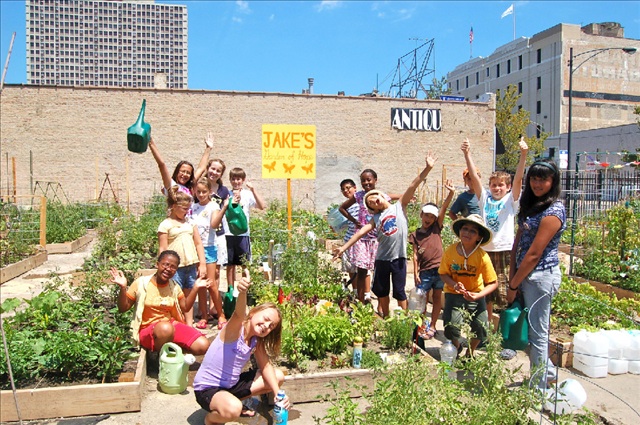 Our Seed Exchange program is designed to promote gardening in inner-city communities as well as to promote cultural awareness between Americans and Africans. The Seed Exchange program involves children in the experience of cultivating, harvesting, storing crops, and making wise and healthy food choices. It also encourages youth in America and Africa to have meaningful exchange and dialogue. The program engages classrooms and/or learning environments in both America and Africa and teaches a wide array of gardening techniques along with health and nutrition. Participants will share their agricultural experiences with one another via technology (skype, oovoo, GROW’s website, email, text, etc.).
The Seed Exchange program provides cultural awareness and emphasizes cross-cultural sensitivity during communication exchanges between the learning environments.
Each student will receive a seed starter kit to grow their very own vegetables and herbs. A diverse selection of crops will be distributed to assure a colorful and local selection of fruits, herbs, and vegetables in community gardens.
The curriculum is designed to teach, gardening techniques, cross-cultural awareness, good nutritional habits, and wise decision making. Each participant will receive a GROW packet, to include, the tools for beginning a garden, and also a “GROW journal”. The journal accompanies the students throughout their growing process; both literally and metaphorically.
The Seed Exchange is designed for classrooms, community gardens, overseas, as well as after school programs.
INTERNATIONAL PROGRAMS
Single Crop Project
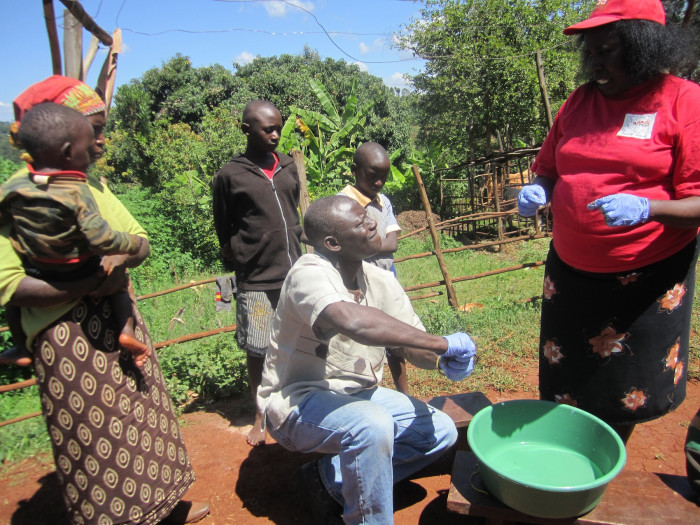 Grow International has selected our first country to enter, Senegal. We have selected to work with the crop NEEM.
We selected a single crop focused project to alleviate additional costs for specialists from different areas and because the women in our group have familiarity with cultivating and harvesting the Neem plant. In addition, there are many trees planted already. We are able to assist in the marketing and improved gardening techniques of this plant.
We have designed a curriculum that will take the women through the “GROW” cycle. The Grow Cycle includes training as well integrated models to aid in skilled technology that will both enhance and sustain agricultural extensions. Each step in the cycle comes with a designed curriculum to improve gardening technologies, improve literacy, educate, and generate income in the community.
The Grow Cycle is Below:
Cultivation>Harvest>Production/Training>Marketing>Sell>Repeat.
We will assist the women through each stage through marketing and ultimately selling their goods, thus, increasing the income of their families. We are also working with them to tap into Western markets.
PAST PROJECTS
Farmer’s Market
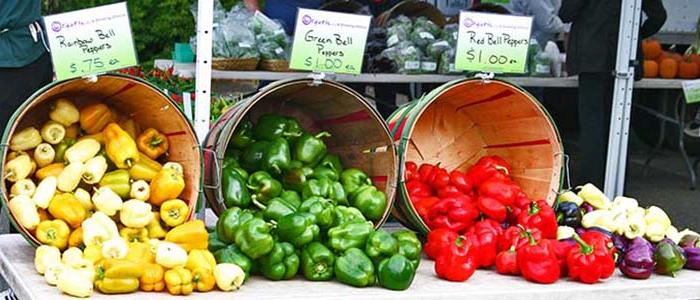 Grow works to educate underserved communities about the benefits of gardening and healthy living. We have worked in the community and participated in two local farmers markets, one being located in a declared “food-desert” to educate community members on gardening techniques as well as the health benefits of fruits, vegetables, herbs, and spices.
Curriculum Development
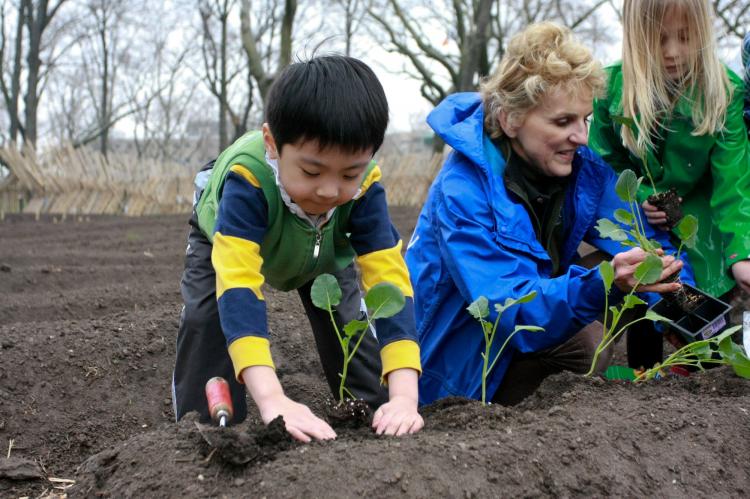 We have also designed a children’s book and curriculum to aid in encouraging healthy eating among young children. We presented our finding and recommendations at the American Dieter’s Association where we also provided food preparation demonstrations.
The Lavender Affair
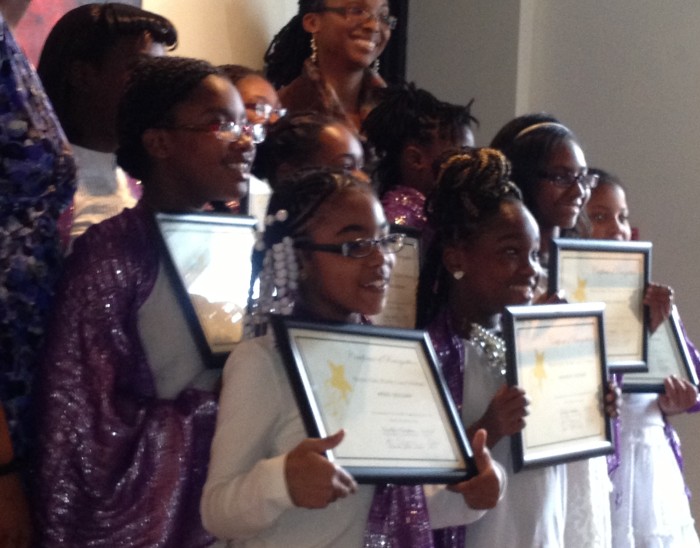 Gardens are magical settings filled with aromas, colors, and patterns that excite the imagination and awaken the senses.“The Lavender Affair” made a significant difference in the lives of girls in the inner city of Baltimore. The girls kept journals to document what they learned. They were taught to transplant lavender plants, grow, harvest, dry, and process them into closet sachets and organic salt rubs. Their culminating activity was made sweeter with delicious homemade lavender shortbread cookies!
Learning to grow things is a positive experience, and gives lessons in science, math, agriculture, ecology, art, and building community. It is also, a whole lot of fun!